RA Rosetta Audio Guides Self-guided audio tours
How we make tours

What goes into a tour worth listening to.

Anyone can record a voice reading a wall label, and most audio guides are little more than that — which is exactly why most audio guides are dull. Making an audio tour that someone genuinely enjoys for an hour, that they finish rather than switch off halfway, is a craft, and this page sets out how we do it — the research, the writing, the narration, and the app that delivers it. It also sets out, plainly, what the studio does and does not do. We are proud of the work that goes into each tour, and we think you should be able to see it before you decide whether our guides are worth your ears.
Making a tour

Five stages from idea to your headphones.

Every tour passes through the same five stages. None of them is skipped, because each is where a tour is either made good or left mediocre.

1

Research

Suzanne and the team research the collection or site properly — the history, the objects, the stories behind them — and, for partner museums, check the facts with the institution's own curators. Good audio rests on getting the substance right first.

2

Writing as a story

The research becomes a script written to be heard, not read — shaped as a narrative that carries you through the place, with the dates and details woven into stories rather than recited. Writing for the ear is different from writing for the page: sentences must be shorter, the thread must never be lost, and a listener cannot skim back, so every line has to earn its place. If a passage would bore us aloud, it is rewritten until it does not.

3

Narration

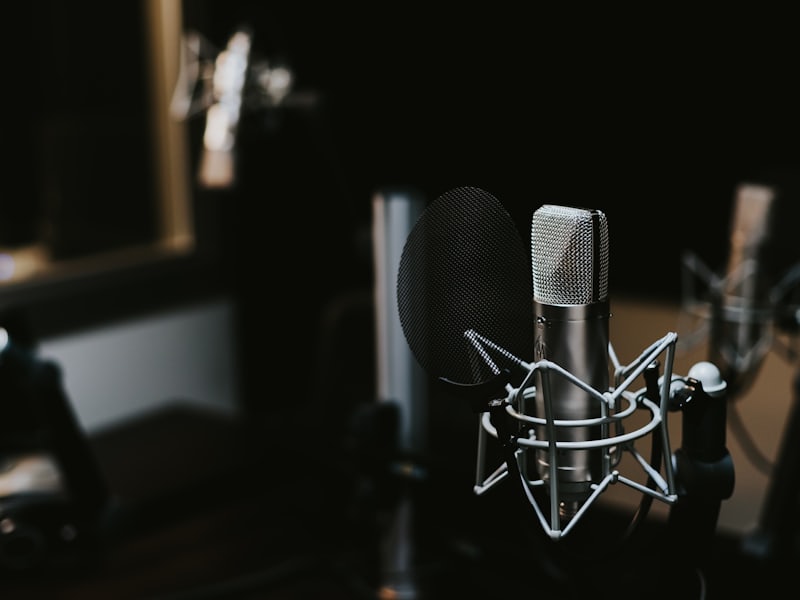
A professional voice, a native speaker in each language, records the script in our studio under direction — warm, clear and unhurried. The voice is chosen to suit the tour, because an hour in someone's ear must be a pleasure rather than an endurance. We direct the read the way a radio producer would, taking the time to get the emphasis and the warmth right rather than settling for a flat first take.

4

Production

The recording is edited, cleaned and broken into the stops that match the route through the place, so the right piece plays at the right object as you reach it. Pacing is set carefully — a breath here, a pause there — because timing is half of what makes spoken word land. We add gentle sound design where it genuinely helps the storytelling, and never where it would distract from the voice or the place.

5

Into the app

The finished tour is published to the app, downloadable for offline use, in the languages it was recorded in. From there it is yours to download and wander with at your own pace, as the how it works page describes.

What the app gives you

The features that matter in the gallery.

Beyond the tours themselves, the app is built around a few features that genuinely matter when you are standing in a museum. Each links to more detail.

Offline downloads

Save a tour to your phone and it plays with no signal at all, which is essential inside the thick-walled, often underground buildings that hold the great collections. It is the single most important feature, and it is explained in full on the offline mode page.

Self-paced playback

Pause, replay, skip and linger exactly as you like — the tour bends to your visit, never the other way round. There is full detail on the how it works page.

Multiple languages

Core tours come in several languages, each one narrated by native speakers rather than machine-translated, so the storytelling survives. Which tour is in which language is set out on the languages page.

A growing library

New tours are added as we make them, each held to exactly the same standard as the last, never rushed to pad a count. Browse everything available right now on the tour library page.

Family versions

Many tours have a version made for children — shorter, livelier, with things to spot. See the family tours page.

Accessible by design

Audio is inherently good for visitors who find reading labels hard, and the app is built to recognised accessibility standards. See the accessibility page.

What we won't do

The shortcuts we refuse to take.

A great deal of what makes our tours good is in the corners we will not cut. Being clear about them is the best way to explain what you are getting.

No machine voices

We will not let a synthetic voice read a tour, however cheap and fast that would be. A human narrator brings warmth, emphasis and correct pronunciation a machine cannot, and an hour in your ear deserves a real voice.

No machine translation

Each language is reworked and narrated by native speakers, not run through a translator. Machine translation mangles names and strips the storytelling; we would rather offer fewer languages well than many badly.

No padding the library

We will not bulk the catalogue with thin, dashed-off tours to look bigger. Every tour earns its place by being genuinely good, so any one you download is worth your time and your ears.

Working with museums

Official partners and independent tours.

We make tours in two ways, and we are always clear which is which. Some are made in official partnership with a museum, with the institution's own curators checking the facts and, often, the museum promoting the tour to its visitors — these carry the museum's blessing and you will see them marked as partner tours. Others we make independently, of sites and collections that are open to the public, researched carefully from authoritative sources but without a formal tie to the institution. Both are made to the same standard; the difference is simply whether there is an official relationship behind them, and we never blur the two.

Being honest about this matters, because some apps imply an official status they do not have. We would rather tell you plainly that a tour is independent than pretend a museum endorses it when it does not. Fouad manages the partner relationships and the fact-checking that comes with them, and the museum partners page lists which museums are official partners. Where we cover a site independently, the tour is still accurate and worth your time — it simply does not claim a stamp it has not earned.

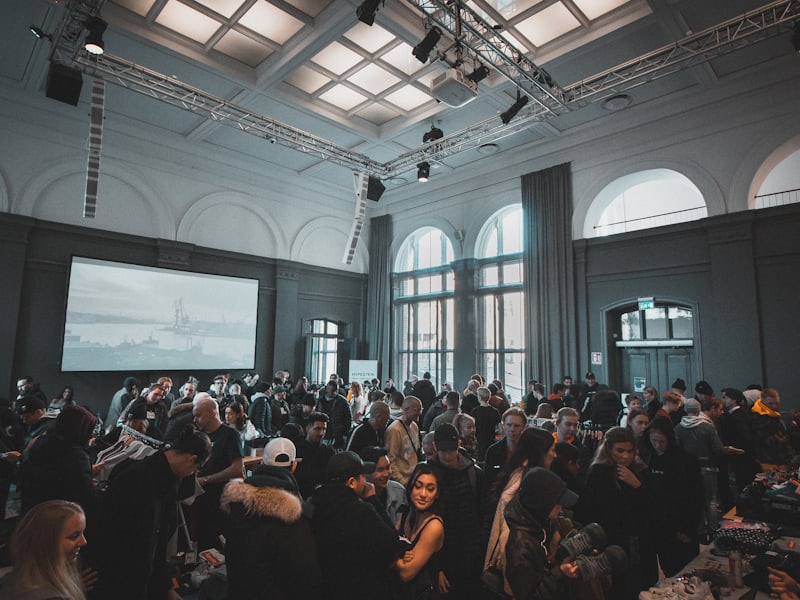
A curator and producer reviewing a tour script together
Being clear

What the studio is not.

Honesty about our limits is part of being trustworthy. Here is what Rosetta Audio Guides is not.

Not the museums

We are an independent audio studio, not the museums and not a government body. Where a tour is an official partnership we say so; where it is independent we say that too. We never imply an endorsement we do not have.

Not a ticket seller

We sell audio tours, not museum entry. You still buy your museum ticket as normal; our app is what you listen to once inside. We are not a booking platform and do not handle your admission.

Not a machine-voice mill

We do not churn out machine-read, machine-translated tours to cover everything cheaply. Every tour is researched, written and narrated by people. That is slower and it is the whole point.

The thing we obsess over

An hour in your ear has to earn it.

The single test we apply to every tour is brutally simple: would we happily listen to this ourselves, for the whole hour, with nothing else to do? Most audio guides fail that test within five minutes — the voice flattens, the content turns to a recital of measurements, the mind wanders. We rewrite until ours pass it. That means cutting the dull stretches even when they contain "important" facts, finding the human story behind a glass case, varying the rhythm so the ear never tires, and choosing a narrator whose voice you would willingly spend an hour with. It is painstaking, and it is the difference between a tour someone finishes and one they switch off halfway.

This obsession is why we cannot, and will not, scale by machine. A machine can read a script; it cannot tell whether the script is boring, cannot judge when a story has run long, cannot bring the warmth that makes you lean in. Those judgements are human, made by people who care whether you enjoy the next sixty minutes — Suzanne and the team listening back, over and over, asking each time whether it is good enough yet. The craft pages and the about page describe the people who do that listening.

The studio team listening back to a tour recording
Why we stay small

A curated library beats an endless one.

The temptation in this business is to scale fast — generate machine-read tours of a thousand sites, translate them all by machine, and claim the biggest library going. We have deliberately not done that, and never will. Every tour we make is researched, written as a story and narrated by a real voice, which takes time, so our library grows at the pace of doing it well rather than the pace of doing it cheaply. The result is that you can download any tour we offer confident it will be worth your ears — there are no thin, auto-generated entries padding the count, no machine voice droning through a place no one on our team has actually studied.

This is the same choice a good publisher makes over a content farm, and it is the only way to keep the promise the product rests on: that an audio guide can be genuinely worth listening to. A bigger library of worse tours would betray exactly the frustration that made us start. So we stay small and careful, add tours only as we finish them properly, and trust that travellers who genuinely care about a good tour will always prefer a curated handful that are excellent to an endless heap of mediocre, machine-made dross. The library as it stands is on the tour library page.

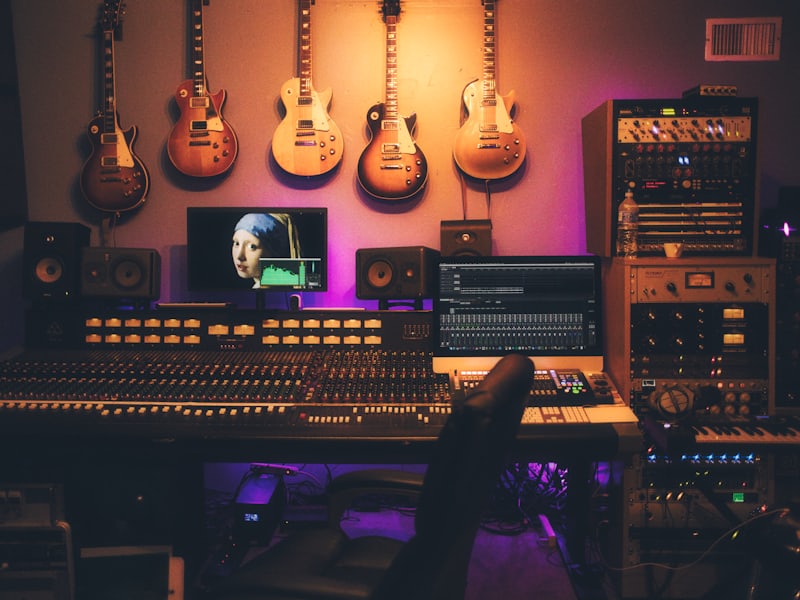
A producer editing a tour recording in the studio
Common questions

A few more about how we work.

Who writes and narrates the tours?

The tours are researched and written by Suzanne and the studio team, fact-checked by curators where a museum is a partner, and narrated by professional voices — native speakers in each language. No machine writes or reads our tours; people do, which is the whole point.

How do you keep tours up to date?

Museums change their displays, and a tour that points at an object no longer there is useless. For partner museums, the curators tell us of changes; for our independent tours, we review and revise them on a cycle. When a tour is updated, the new version simply downloads to your phone.

Can I suggest a place or a feature?

Please do, through the contact page. Listener requests genuinely shape both which tours we make next and how the app works — a great deal of what is good in it came from someone telling us what they wished it did.

That is the craft behind every tour.

Download the app and hear what that work sounds like — several tours are free.

Get the app Browse tours