RA Rosetta Audio Guides Self-guided audio tours
About the studio

We make the audio guides we always wished existed.

Rosetta Audio Guides is made by Delta Audio Heritage, a small audio studio in Rashid — the town the world knows as Rosetta — on the Mediterranean edge of the Nile Delta. We are not a museum, not a tour company, and not a government body. We are a studio that makes one thing and tries to make it exceptionally well: self-guided audio tours of museums and heritage sites, good enough that you would actually choose to listen to them rather than merely tolerate them. This page tells you who we are, how the studio began, who you will be listening to, and the conviction that drives everything we record — because an app that asks for a place in your ear for an hour ought to tell you plainly who made what you are about to hear, and why.
How it began

Frustration with bad audio guides.

The studio began in 2020 out of a very specific frustration. Our founders are travellers and museum-lovers, and over years of trips they had used a great many audio guides — the clunky rental handsets, the early apps — and found almost all of them dispiriting. The narration was flat, often clearly read by someone who did not care; the content was a dry recitation of dates and dimensions rather than a story; the technology was clumsy, dropping out or refusing to work offline exactly when you needed it. And yet the idea behind an audio guide was wonderful: an expert in your ear, leaving you free to wander. The execution was simply letting it down.

So they set out to do it properly. Delta Audio Heritage was founded to make museum audio tours the way they should be: properly researched and written as stories, narrated by warm professional voices, delivered through an app that is genuinely pleasant to use and works reliably offline. We started with a handful of tours of the museums we knew best and grew from there, always by making each new tour as good as we could rather than by rushing to cover everything badly. It would have been easy to do the opposite — to generate a vast catalogue cheaply and call it the biggest library going — but that is precisely the path that produced the guides we set out to replace, and we were not about to repeat the mistake we had founded the studio to fix. The result is the library you will find in the app, and the team who make it are introduced below.

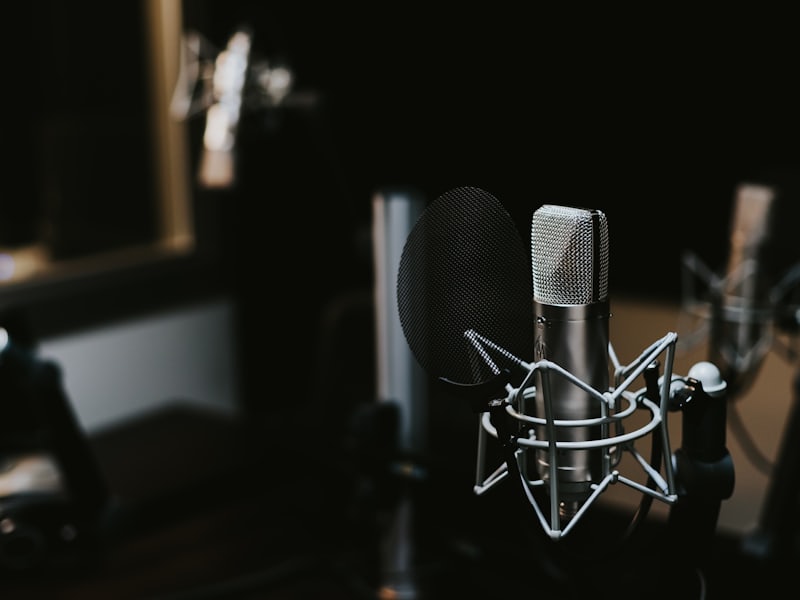
A narrator recording an audio tour in the studio
The team

A small studio, and you'll know who made your tour.

We are a handful of people, and every tour carries the mark of the same small team rather than a faceless content mill churning out filler. That smallness is deliberate: it is what lets us hold every tour to the same standard, because the same few people make all of them and answer for all of them. Here is who we are.

Maged Riad

Founder & product

Maged is the one who suffered through the bad audio guides and decided to fix it. He leads the product — how the app works, how a tour is structured, the insistence that every tour be something he would happily listen to himself. A software person who fell in love with museums and could not stand to see them served by bad audio.

Suzanne Adel

Audio & content

Suzanne leads the writing and the recording — researching each collection, shaping the script into a story rather than a list, and directing the narration. A former radio producer, she is the reason the tours sound like something genuinely worth your ears rather than a flat, dutiful recital of facts.

Fouad Naguib

Museum partnerships

Fouad builds the relationships with the museums and sites — agreeing the tours, getting the facts checked by the institutions' own people, and keeping the library accurate as exhibitions change. He is the reason an official partner tour can be trusted.

Rana Sobhi

Support & community

Rana looks after the people who use the app — answering questions, fixing problems, gathering the feedback that shapes the next tours. She is the human voice behind a piece of software, and the reason support feels like a person rather than a ticket.

What we believe

Three convictions behind every tour.

These are the beliefs that decide how we make a tour and what we will not do. They are the reason our guides sound different from the ones that frustrated us.

1

A tour is a story, not a list

People remember stories and forget dates. Every tour is written to carry you through a place with narrative and meaning, not to recite measurements at each case. If it would bore us to listen to, we rewrite it.

2

The voice matters as much as the words

A great script read flatly is still a bad tour. We narrate with warm professional voices and native speakers in each language, because an hour in someone's ear has to be a pleasure, not an endurance.

3

The technology must get out of the way

The best technology is invisible. Our app must work offline, reliably, without fuss, so that nothing comes between you and the tour. A guide that fails at the museum door is worse than none.

Why Rashid

Made in the town the world calls Rosetta.

There is a small poetry in where we are based. Rashid — Rosetta to the world — is the town where the famous stone was found, the slab whose three scripts unlocked the reading of hieroglyphs and reopened ancient Egypt to understanding. A studio whose whole purpose is to help people understand what they are looking at could hardly ask for a more fitting home, and we took the name Rosetta deliberately. We are of this Delta coast, and working from here rather than a capital keeps us a little apart from the noise and close to the everyday Egypt that the great monuments rise out of.

Being a small studio in Rashid also shapes how we work: low overheads let us spend the time each tour needs rather than rushing to pay a city rent, and distance from the industry herd lets us make the unfashionable choice — fewer tours, made better — without anyone telling us to scale. The stone that gives the town its fame translated one thing into another so it could be understood; in our small way, that is exactly what every tour we make sets out to do. Who does that work is on the team section above, and how they do it on the how we make tours page.

The historic waterfront of Rashid, ancient Rosetta
The years so far

From one frustrating tour to a careful library.

The studio grew slowly, tour by tour, because that is the only way to make each one well. Here is the short history.

1

2020 — the studio opens

Maged and Suzanne set up Delta Audio Heritage in Rashid, determined to make the audio guides they had always wished existed. The first tours are of the museums they know best, made painstakingly to prove the approach.

2

2021–2022 — the app finds its feet

The app is refined around the things that actually matter in a gallery — offline downloads above all — and the library grows to the major Cairo and Luxor sites. Word spreads among travellers tired of bad audio guides.

3

2023–2024 — partners & languages

Fouad builds the first official museum partnerships, with curators checking the facts, and the tours expand into more languages, each narrated by native speakers. Family versions arrive for younger listeners.

4

2025–2026 — curated, not scaled

With every chance to flood the library with machine-made tours, we have chosen the opposite: a carefully curated set, each made by hand. The studio stays small, and every tour still carries the same care it started with.

Hear the difference for yourself.

Several tours are free to try — download the app and listen.

Get the app Browse the tours